
 Business
 In an era of change and rapid development in financial technologies, the world of cinema reflects not only plots and characters but also current phenomena that affect each of us. One of the hottest topics of modern times is undoubtedly cryptocurrencies, financial markets, and the art of trading. These themes not only define financial reality but also serve as a source of inspiration for filmmakers.

7 min.
31.03.2026
Blockchain technology: applications
Today, blockchain is no longer just a technology for cryptocurrencies. By 2026, its main value was not in “fashion,” but in the ability to sync data among many participants without a single trust center. Where there are multiple parties, a common registry, the need for verification, transparency, and automatic rule enforcement, blockchain does have a practical effect. But, importantly, it is not a universal substitute for conventional databases. The strongest cases emerge where unalterable record history, digital proof of data origin, and programmable transactions are needed.
Digital identity

One of the most promising areas is digital identification and verifiable digital documents. The European Commission explicitly states that EU member states must make the EU Digital Identity Wallet accessible to citizens, residents, and businesses by the end of 2026. Such a wallet should allow digital documents to be stored and presented, identity verification online and offline, and the creation of legally binding signatures. In parallel, verifiable credentials – verifiable login data are being developed in the European EBSI infrastructure, where digital wallets and blockchain are used to establish trust. This means that the blockchain in identification is not used as a “repository of all personal data” but as a layer of trust and authentication.
Information tracking

Equally important is the area of tracking information and origin of goods. In pharmaceuticals, this is especially critical: the issue no longer just logistics, but also patient protection from fakery. The FDA reports that the DSCSA pilot project program has been completed and its final report is available to market, specifically so that supply chain members can use lessons learned for product tracing and verification. In other words, the regulator is no longer just thinking about the potential of technology; it is looking at specific tools for drug traceability. Here, blockchain is useful because different companies can work with a single verified event source without transferring full control to one player.
Similar logic applies to broader supply chains. The EU already has an ESPR regulation that introduced the concept of a Digital Product Passport. GS1 Europe indicates that the regulation entered into force on 18 July 2024, and the digital passports themselves must be the basis for access to data about the product, its origin, composition, maintenance and disposal. According to GS1, the first DPPs for priority categories of goods should be fully operational by February 2027. This is a very revealing shift: the market is moving from talk of blockchain to infrastructure, where the origin, path, and documentation of the goods become machine-readable and verifiable.
Insurance

Insurance is another industry where blockchain makes sense, especially when tied to smart contracts. The European insurance regulator EIOPA separately analyzes the use cases of blockchain, smart contracts and related risks and benefits for the insurance sector. In practice, this is interesting above all for automation of payments, confirmation of events and reduction of administrative costs. For example, in parametric insurance, payout can be triggered automatically when a verifiable event occurs: flight delay, weather threshold, natural disaster. However, it is insurance that also illustrates the limitations of technology: a smart contract needs a reliable external data source, and the legal logic of disputes and exceptions does not disappear. Therefore, this is a hybrid model rather than a complete replacement of classical processes.
Voting

The theme of voting is also often associated with blockchain, but in 2026 it needs to be discussed more carefully than a few years ago. Within cryptoeconomics, token voting has already become a standard mechanism for managing the DAO and other onchyene communities. The Belfer Center study at the Harvard Kennedy School explicitly indicates that tokens are often used to transfer voting rights over a general treasury organization and for governance. But the transfer of this model to state elections remains debatable. MIT Digital Currency Initiative explicitly states that claims of increased security through internet or blockchain voting are misleading. A CISA, EAC, FBI and NIST in a joint document call electronic ballot return a high-risk practice and recommend paper ballot returns. So the blockchain is already working in corporate and decentralized governance, but it has not become a magic bullet for national elections.
IoT
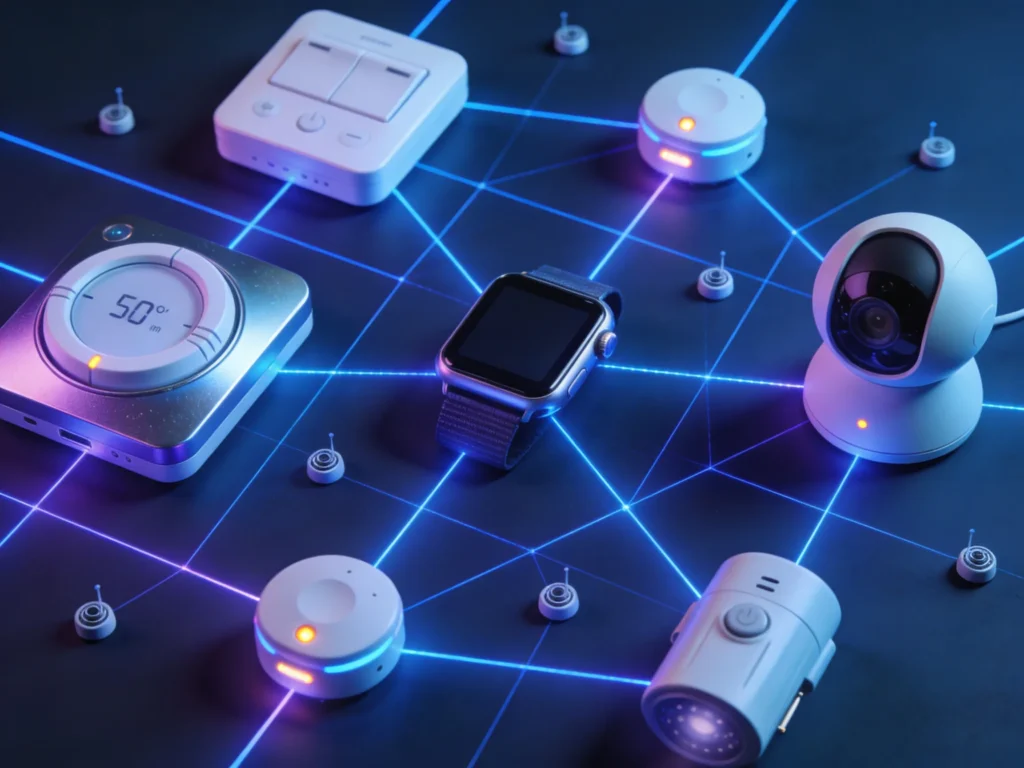
The Internet of Things remains more a zone of active development and pilots than of massive day-to-day implementation, but its potential is great. Recent research has shown that the IoT’s rapid growth poses serious challenges to data security, scalability, and integrity, and blockchain can help with a decentralized, resilient, and secure architecture. The most logical cases are device identification, access control, machine data exchange without a single central intermediary, and recording of sensor and equipment activity. This is especially important for industrial IoT, logistics, and energy, where many devices interact automatically, and the cost of errors or data exchanges is too high.
Finances

The financial sector today is perhaps the most telling example of how blockchain is coming of age. Not only crypto projects, but also large banks, exchanges, and infrastructure companies are shifting their focus to tokenization of money and traditional assets. Reuters reported that BMO is launching tokenized cash opportunities together with CME Group and Google Cloud: it’s about almost instant settlement, reduced delays, more efficient use of capital and support operations 24/7. During the same period, the NYSE announced a collaboration with Securitize to build an infrastructure of tokenized securities and develop a blockchain processing system for such transactions. This is important because blockchain in finance is increasingly being used not as a substitute for banks, but as a new rail for settlements, clearing, and asset issuance.
GameFi
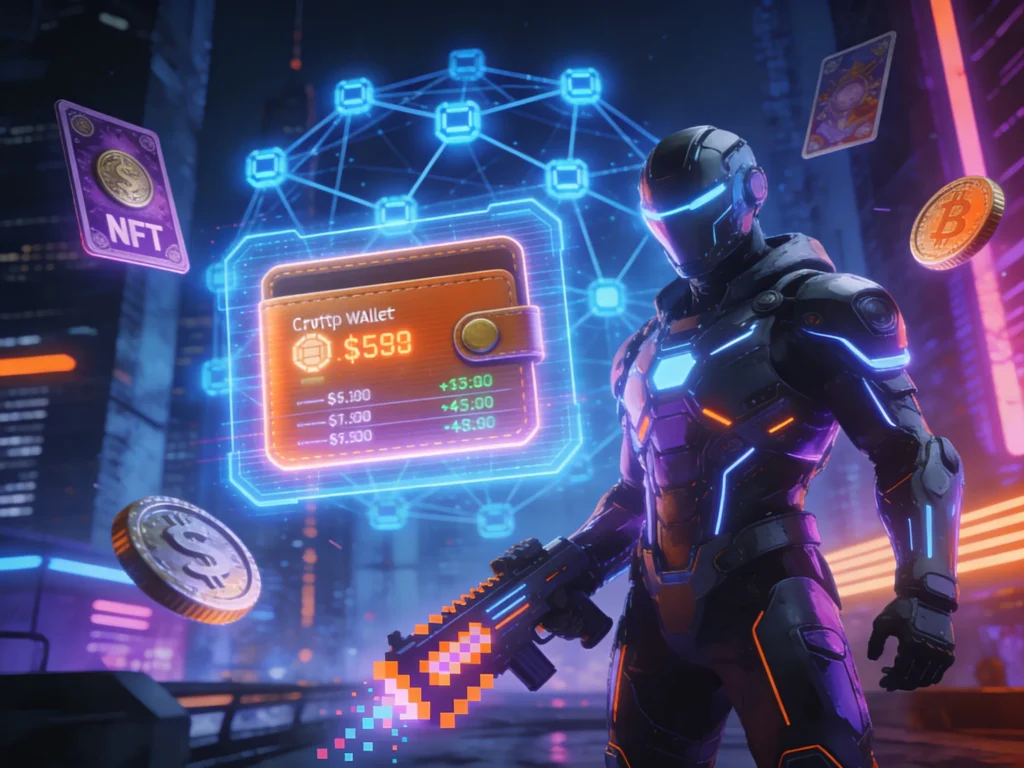
The gaming industry has changed as well. Whereas the conversation about blockchain games almost always boiled down to Axie Infinity and play-to-earn models, the market now looks more complex and mature. According to DappRadar, in the third quarter of 2025, blockchain gaming showed an average of 4.66 million active wallets per day and remained the leading segment of Web3 in onchain activity. But the main shift is not in “gambling for profit,” but in digital ownership: players are given confirmed possession of items, the ability to trade them outside a specific game, and, in some cases, use assets between ecosystems. In other words, blockchain in gaming today is no longer just a speculative mechanics, but an attempt to create a more open gaming-asset economy.
Intellectual property

Copyright and intellectual property protection is another area where blockchain can be useful, especially given the growth of digital content and challenges in proving the origin of works. WIPO notes in its white paper that the technology has potential application scenarios for protection and access to digital data, as well as enforcement of IP rights. Separately, the document states that smart contracts can be used to record copyright ownership, usage rules and related royalties. Plus the blockchain provides a tool for provenance – confirmation of the origin of a digital object. But here, too, one should not fall into techno-optimism: the record itself in a blockchain is no substitute for a court of law, contract law, and normal legal expertise. It only adds a transparent layer of attachment, transfer and verification of entitlements.
So today, the blockchain is not helping “everywhere in a row,” but where there needs to be a common system of trust between participants who are unwilling or unable to rely on each other fully. This is digital identity, supply traceability, insurance scenarios with smart contracts, corporate and DAO management, IoT, finance, games and intellectual property. The truest conclusion in 2026 is that blockchain is not a universal pill, nor a replacement for any IT system. But in tasks where transparency, verifiability, a common history of change, and automation of rule enforcement are important, it has ceased to be an experiment and is gradually becoming part of the normal digital infrastructure.
Start your crypto exchange with Coin24


Exchange BTC, ETH, USDT and more — cash or card
Secure and fast crypto exchange since 2018
Buy or sell
100+
cryptocurrencies quickly and easily
Exchange crypto with cash or
card with Coin24
Exchange crypto
online
or in person in 50+ cities
Buy or sell cryptocurrency
via Privat24
Similar Articles


04.01.2024
In the expansive domain of blockchain technologies, innovation finds constant space, and Aptos distinguishes itself as an exemplary project elevating standards within decentralized systems.

22.12.2023
Cryptocurrencies play a pivotal role in today's financial operations, with Bitcoin serving as their flagship. Understanding the fee structure within the Bitcoin network stands as a pivotal factor in navigating this cryptocurrency landscape. This fundamental component significantly shapes the pace and effectiveness of transactions within the expansive realm of Bitcoin.